Selling standing timber to a buyer who handles the cutting typically produces capital gains, which Social Security’s earnings test does not count against benefits.
If the retiree personally cuts and hauls the timber, proceeds can become self-employment income, triggering benefit withholding before full retirement age.
Even capital-gain treatment can make up to 85% of Social Security benefits taxable and raise Medicare premiums two years after the sale.
Many financial professionals are salespeople paid on what they push, not whether you end up wealthier. A fiduciary is the opposite. The SEC legally requires them to put your interests first. Advisor.com’s free matching tool pairs you with vetted fiduciaries from major national firms, all in under three minutes. See who you match with today.
Picture a retired logger in northern Wisconsin who has held 40 acres of hardwood for decades. A local buyer offers $80,000 for a selective cut. The check clears, the trees come down, and a few months later a question arrives that the seller had not considered: did he sell a long-held asset, or did he go back into the logging business?
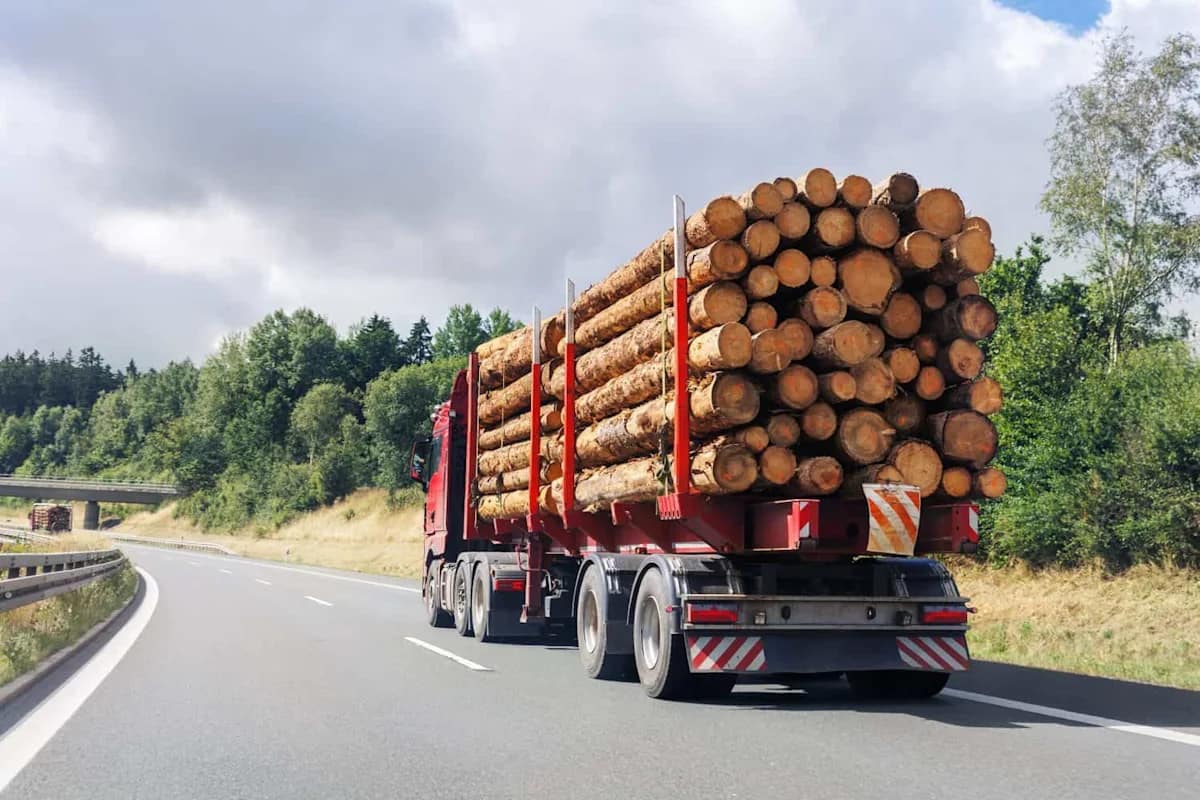
K-FK / Shutterstock.com
The distinction matters well beyond Wisconsin. Retirees across the Upper Midwest, Northeast, and South own woodlots that may produce one large check after decades of growth. Whether that check counts against Social Security depends on what was sold, who performed the work, and how the transaction appears on the tax return.
The Line That Decides Whether Social Security Counts It
The Social Security earnings test applies to wages and net self-employment earnings received before full retirement age (FRA). It does not count capital gains. If the retiree holds his woodlot as a long-term investment and sells standing timber to a buyer who performs the cutting and hauling, the net gain can generally receive long-term capital-gain treatment. That gain does not count against the earnings test, even if he is 63 and already collecting Social Security.
Are You Ready To Retire, Or Years Behind?
Most Americans suspect they’re behind on retirement and never find out. Advisor.com’s free matching tool pairs you in about three minutes with a vetted fiduciary advisor who can help you with investing, taxes, retirement, estate planning, and more. No minimums. No sales call. Find out where you stand.
The entire $80,000 is not necessarily gain. Timber has a tax basis, just like land or stock. The seller generally subtracts the basis allocated to the harvested timber, along with qualifying sale expenses, to calculate the taxable amount. The other side becomes more complicated. If he cuts the trees, converts them into logs, and regularly sells timber products to customers, some of the proceeds may become ordinary business income. That net income can be subject to self-employment tax and count under the Social Security earnings test.
Capital Gains or Ordinary Income?
Operating a timber business does not automatically make every timber sale ordinary income. Standing timber held for more than one year may qualify for Section 1231 capital-gain treatment under Section 631(b), including certain lump-sum and pay-as-cut contracts. An owner who cuts the timber may also be able to use a Section 631(a) election to separate the value of the standing timber from the profit earned after cutting. That is why the contract matters as much as the chainsaw. The questions include:
Was he selling standing timber or finished logs?
Did the buyer or landowner perform the harvest?
Was the timber held for investment, used in a business, or kept primarily for sale to customers?
Had it been held for more than one year?
How was the transaction reported on the federal return?
If the return produces capital gain, Social Security leaves it outside the earnings test. If it produces net self-employment income, that income can trigger benefit withholding before full retirement age. Social Security counts the net business profit after allowable expenses, not the gross $80,000 check.
The Quiet Second Hit
Capital-gain treatment can protect the Social Security check without making the transaction disappear from the rest of the retirement picture. A timber gain increases adjusted gross income. That can push provisional income across the thresholds where up to 50% or 85% of Social Security benefits becomes taxable.
Medicare also uses a two-year income lookback to determine Income-Related Monthly Adjustment Amount surcharges. A large gain reported in 2026 could raise Part B and Part D premiums in 2028, even though the trees were sold only once. This creates the real two-system reversal: Social Security may treat the timber check as an asset sale rather than current work, while Medicare still treats the resulting gain as income when setting future premiums.
What to Establish Before the Cut
First, determine the timber basis. Many longtime woodlot owners know what they paid for the land but never separated the value of the timber growing on it. A consulting forester can help establish or reconstruct that basis and document the volume removed.
Second, settle the contract and tax treatment before harvesting begins. A sale of standing timber with the buyer responsible for cutting creates a different record from the landowner cutting, hauling, and selling logs himself.
Finally, model the wider tax effect. A forester can value the timber, but a tax professional familiar with forestry should determine how the sale fits Sections 631(a) or 631(b), the earnings test, taxation of Social Security benefits, and IRMAA. The $80,000 check does not answer the Social Security question. The work behind it does.
Are You Ready To Retire, Or Years Behind?
Most Americans have no idea where they actually stand. Most guess, or hope Social Security and a 401(k) will work out. Advisor.com’s new matching tool gives you a real answer, free.
They pair you with a fiduciary (required by law to put YOUR interest first) with questions related to taxes, estate planning, retirement, insurance analysis, and more. See you who you match with today, and get the answers you need.