
(Refiles to correct dateline)
By Nicolás Misculin
BUENOS AIRES, July 16 (Reuters) – Higher global beef prices and new trade deals under President Javier Milei are encouraging Argentina’s ranchers to raise heavier cattle, betting on a sustained export boom that could reshape the country’s meat industry.
One analyst said they expect exports from Argentina — famous for its asado barbecues, steakhouses and world-leading per capita beef consumption — to rise by as much as 50% over the next four years, building on strong export revenue growth already seen in 2026.
The shift marks a break from a longstanding model focused heavily on domestic consumption, as ranchers respond to stronger overseas demand from a range of markets, including the United States, Israel, Europe and China, alongside fresh trade opportunities created by new agreements with the U.S. and European Union.
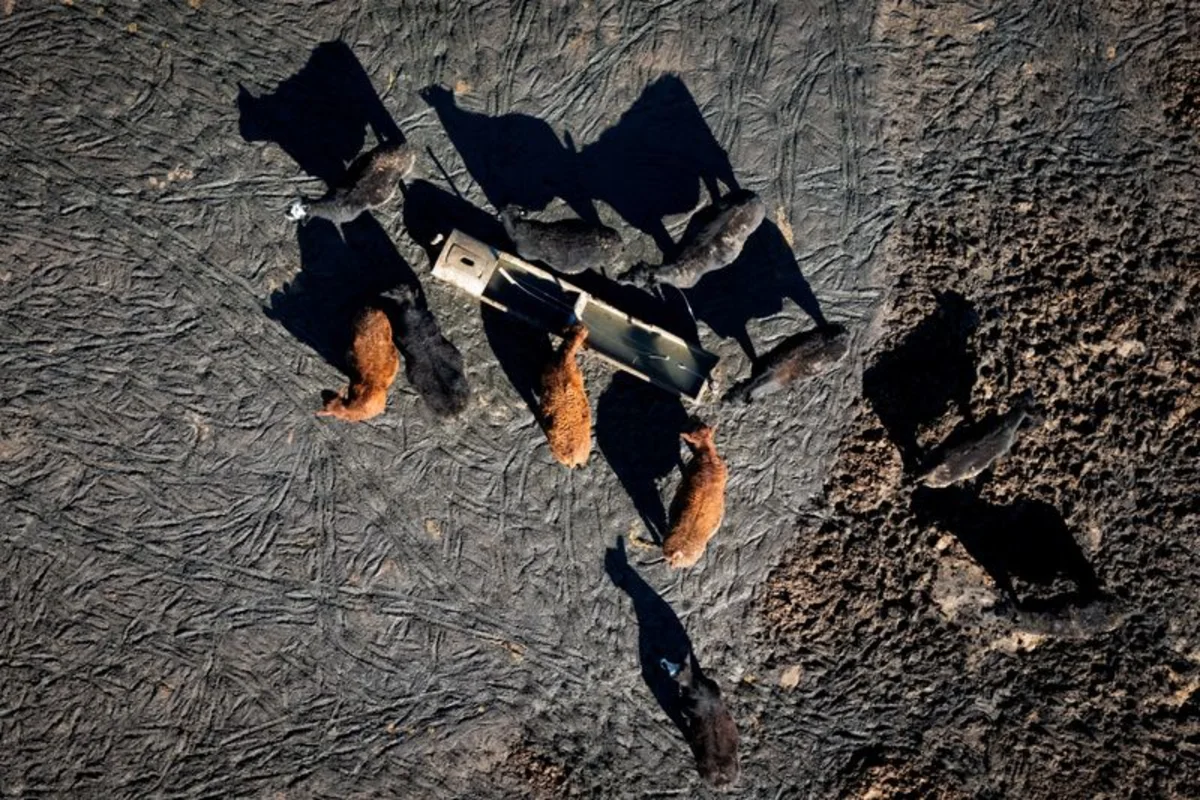
“The way we work has changed quite a bit,” said cattle producer Guillermo Del Barrio, who runs the El Trebol feedlot about 130 km (80 miles) from Buenos Aires, where more than 8,000 head of cattle are raised and fattened.
“We used to bring smaller animals into the feedlot and send them (to slaughter) at 300 kilograms,” Del Barrio said. Now they leave at around 550 kilograms, he added.
Argentine cattle are typically raised on pasture before spending several months in a series of pens known as feedlots, where cattle are fed high-energy diets, mainly corn and soybean meal, to accelerate weight gain before slaughter. Rising prices for live steers are also encouraging ranchers to fatten cattle more than they used to.
Trade deals with the U.S. and European Union pave the way for Argentina to sell more beef due to bigger import quotas at reduced tariffs, industry analysts say.
Buenos Aires signed a trade agreement with Washington in February that improved access to the U.S. market. President Donald Trump increased the import quota for Argentine beef as part of a broader bilateral trade agreement that built on pre-existing export arrangements between the two countries.
“The United States has grown tremendously,” said Maria Julia Aiassa, an analyst at the Rosario Livestock Market (Rosgan).
Shipments to the U.S. rose 158% in the first five months of the year to 41,770 metric tons, totaling $348 million, according to the privately run Argentine beef promotion institute IPCVA.
A long-awaited European Union-Mercosur trade deal also came into force provisionally in May. Europe remains a well-established destination for Argentine beef through existing quotas, according to Aiassa, but the EU-Mercosur agreement “opens a very positive window” for further growth.