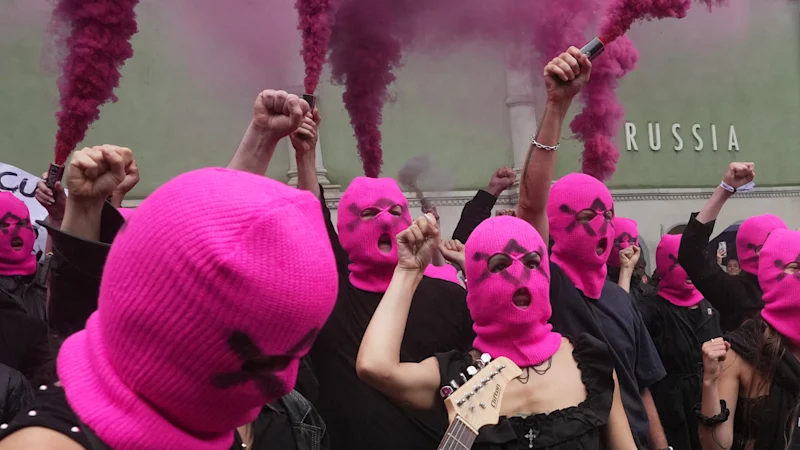
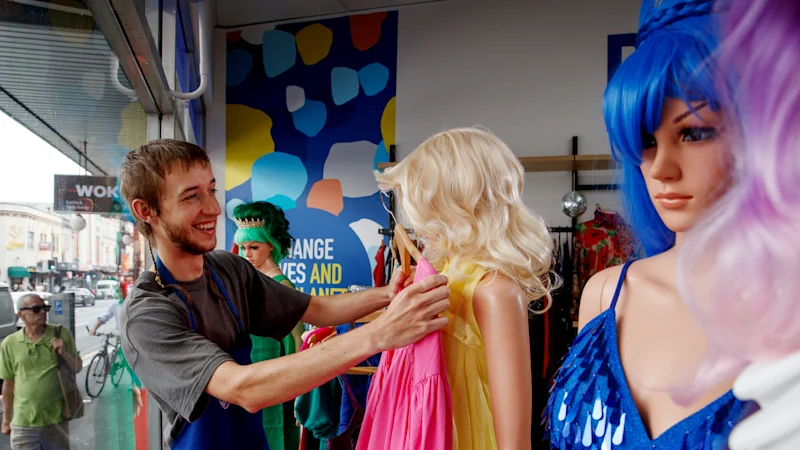
Newtown is the city’s beating bohemian heart. Home to hundreds of cafes and restaurants, it’s famous for its grit and grime, eclectic nightlife, vintage and op shopping, and university and rainbow culture.
About 15,000 people, who skew towards the younger side, live within its bustling borders, making it one of the most densely populated areas in Australia. It is also a magnet for Sydneysiders who value dining, entertainment and social scenes.
As Sydney grapples with the need for more housing and public space for its growing population, councils and landowners are being urged to unlock underutilised land. The race to build 377,000 homes in NSW by mid-2029 under the National Housing Accord has hit hurdles, and across Sydney there are battles playing out between heritage and housing.
As development forges ahead, however, we need spaces in which to enjoy life.
There is a renewed push to convert Newtown’s dilapidated tram depot into a community, cultural or creative hub, inspired by the transformation of the former Rozelle Tram Depot into the Tramsheds.
The Federation-style depot was built in 1899 and opened the following year to service the new electric tram fleet. According to Heritage NSW, it was the second such depot in NSW and, with the adjacent Newtown station, signalled a major step in Sydney’s integrated transport network.
It closed in the late 1950s, and over the past 60 years has fallen into a state of disrepair, with the sheds rotting and overrun with vegetation.
There have been various plans for the state-heritage listed site over the years. With its prime location beside the railway station, they have included the construction of affordable housing on top of the sheds, or repurposing the site into “Carriageworks 2.0″.
This new push comes as Sydney is looking to build more housing while retaining a suburb’s history and amenity, providing green space yet injecting new life into its local high streets.
The state government, which owns the site, will consult the City of Sydney and other stakeholders later this year before finalising a masterplan and business case, slated for completion in the second half of 2027.
Any development at the Newtown site must ensure its heritage is recognised and preserved. Philip Oldfield, who is head of UNSW’s School of Built Environment, said the depot’s high ceilings and roof structure lent themselves to becoming a cultural space or public venue.
Inner-city Sydney lost nearly 30 per cent of its creative work areas between 2012 and 2022 despite overall floor space surging by 15 per cent, a 2024 study by the Committee of Sydney found. All up, 172,970 square metres of creative warehouse, studio and rehearsal space has been lost.
In turning this forgotten, underutilised space into something that enhances amenity, providing a cultural space for the community would be a bonus.
As Oldfield said: “Cities are not museums, they will change. We should envision new ways to make these spaces important for the community again.”
Start the day with a summary of the day’s most important and interesting stories, analysis and insights. Sign up for our Morning Edition newsletter.
 The Herald’s View – Since the Herald was first published in 1831, the editorial team has believed it important to express a considered view on the issues of the day for readers, always putting the public interest first.