Instagram recently released its Muse AI, the company’s very own image and video generation service. On the surface, it looks like a good tool to help creators bring their imagination to life. But under the hood, it hides a scary detail that all Instagram users should be aware of.
Even if you don’t care about the rise in AI slop this will enable, you should care that someone might be using your images and videos to do it. Yes, you read it right. Using Muse AI, anyone can use your Instagram photos and videos to create AI-generated content.
The truly devious part about this feature is that Meta didn’t tell you about it, and you are already enrolled in it. In this guide, I will explain how this feature works and how to disable it on your account to prevent others from generating AI images and videos using your content.
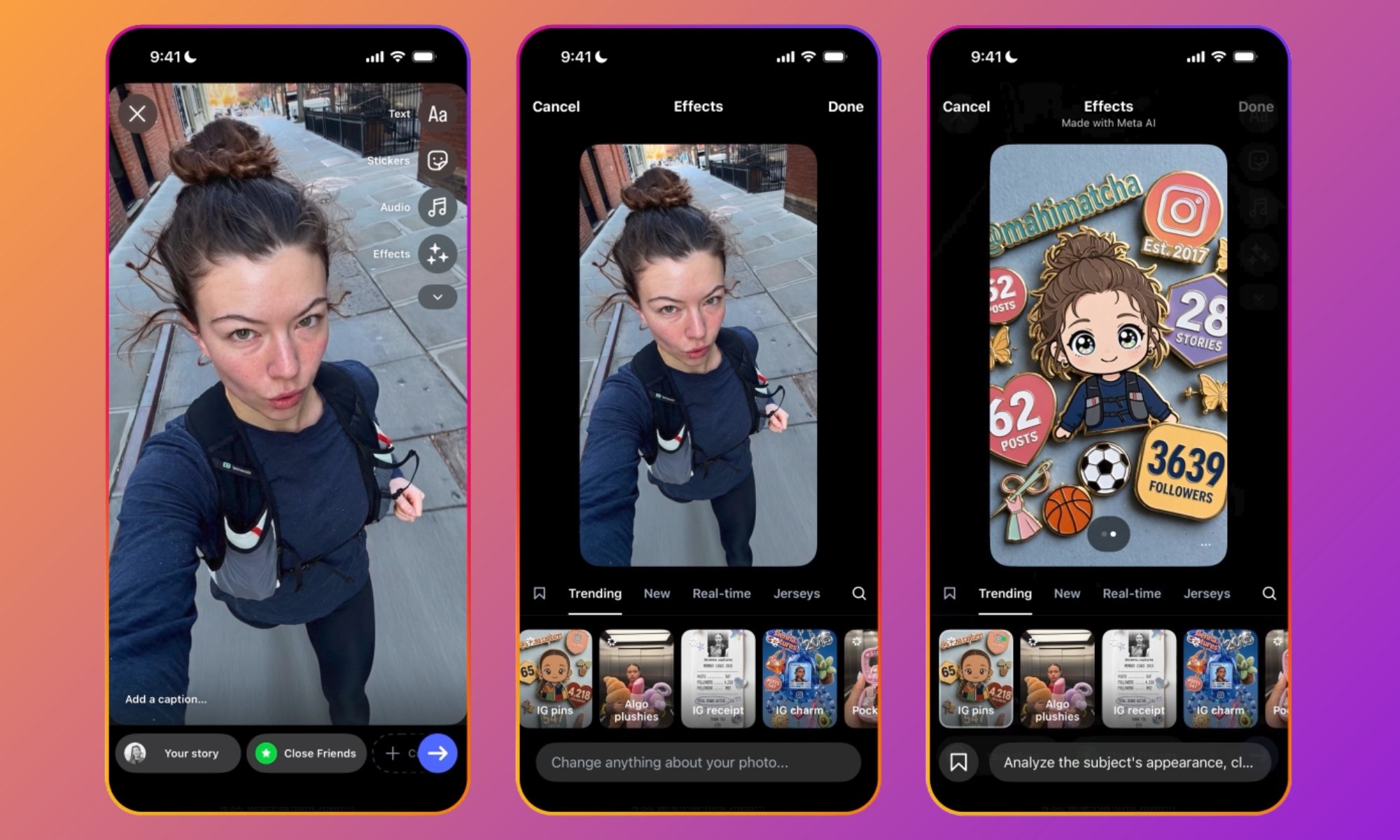
Quick answer: How to stop others from generating AI images of you on Instagram
Here’s the quick version of the steps you need to take to stop other Instagram users from generating your AI images.
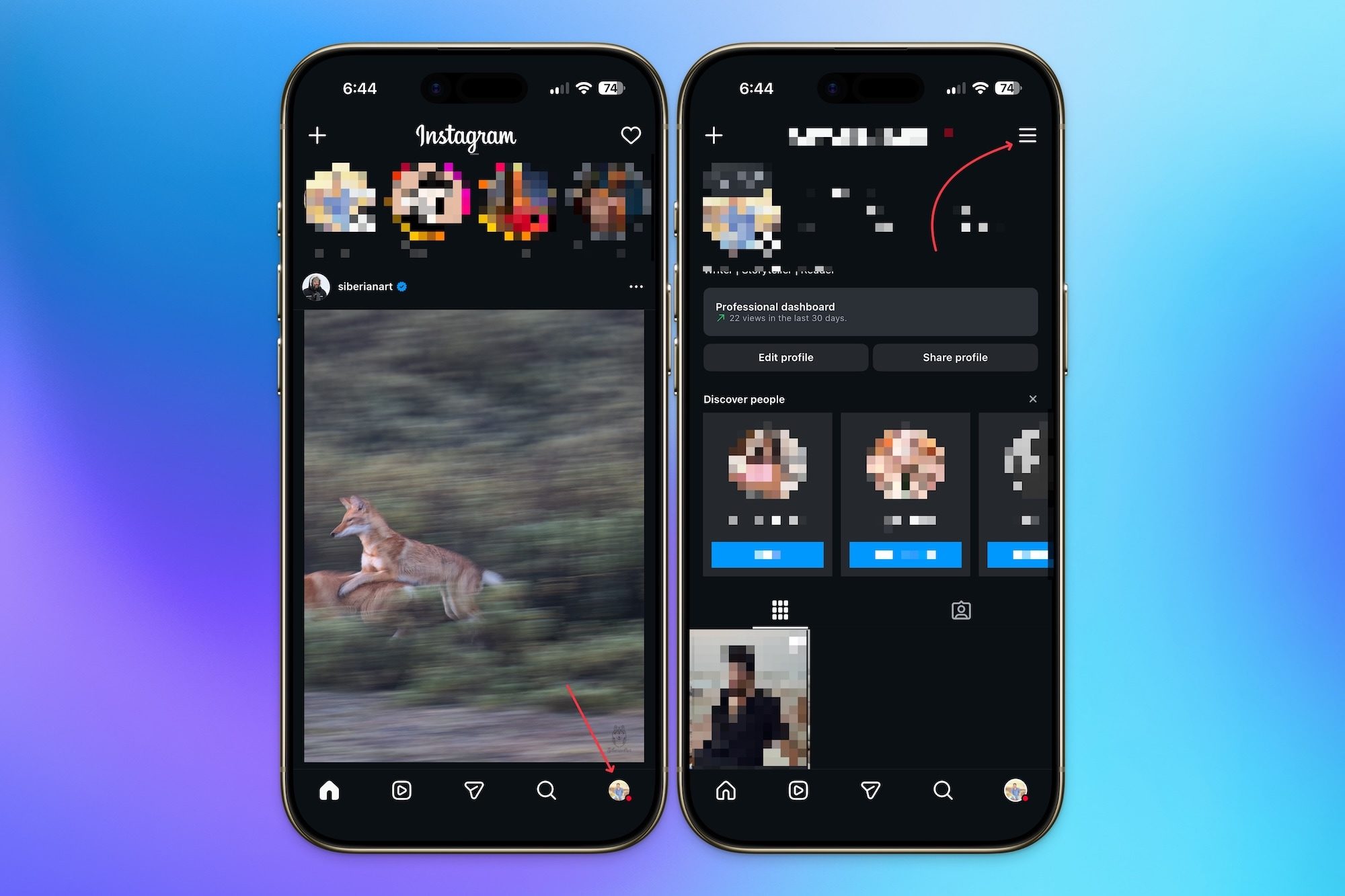
- Launch Instagram and open your profile.
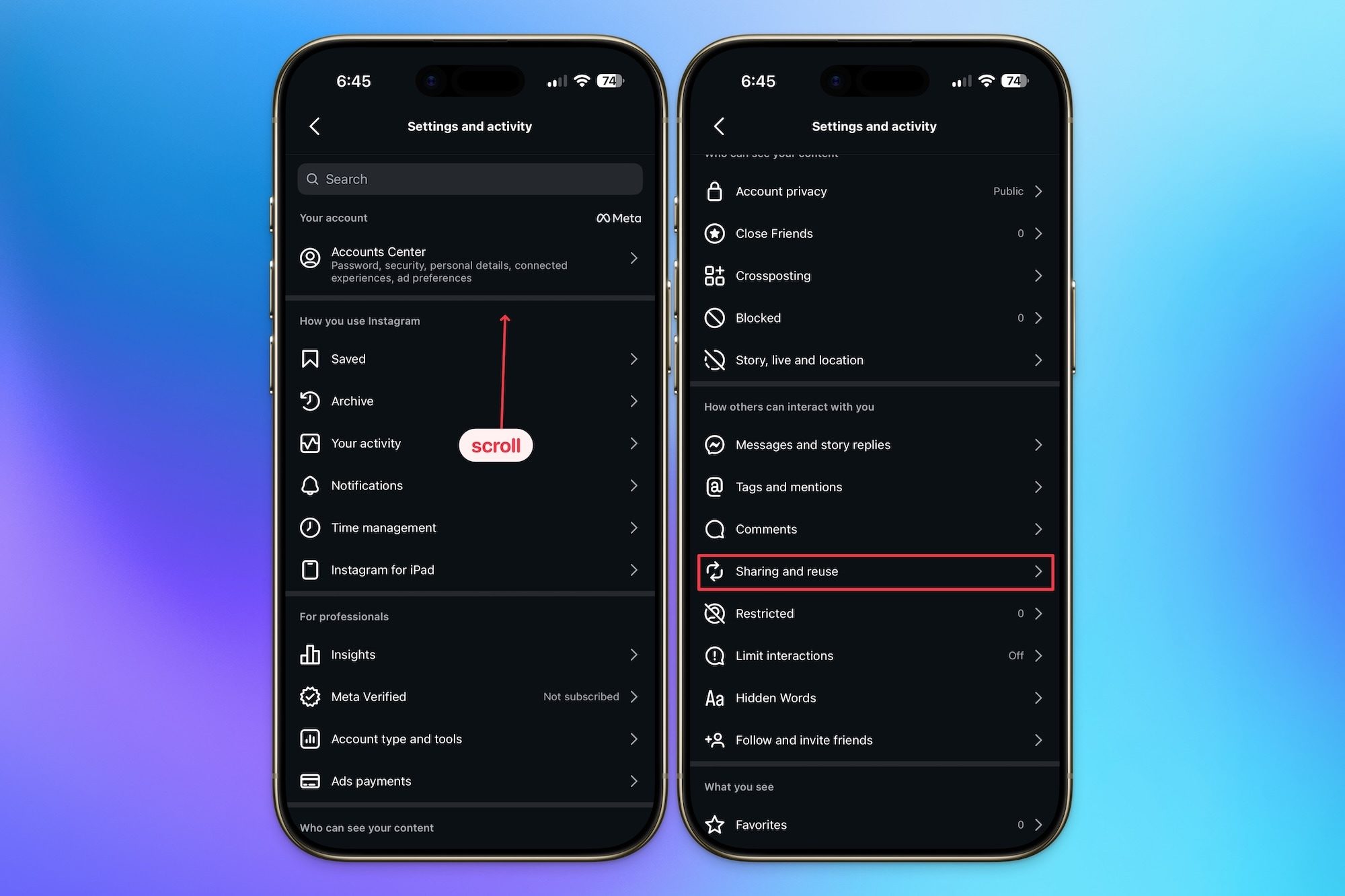
- Open the hamburger menu and tap on “Sharing and reuse.”
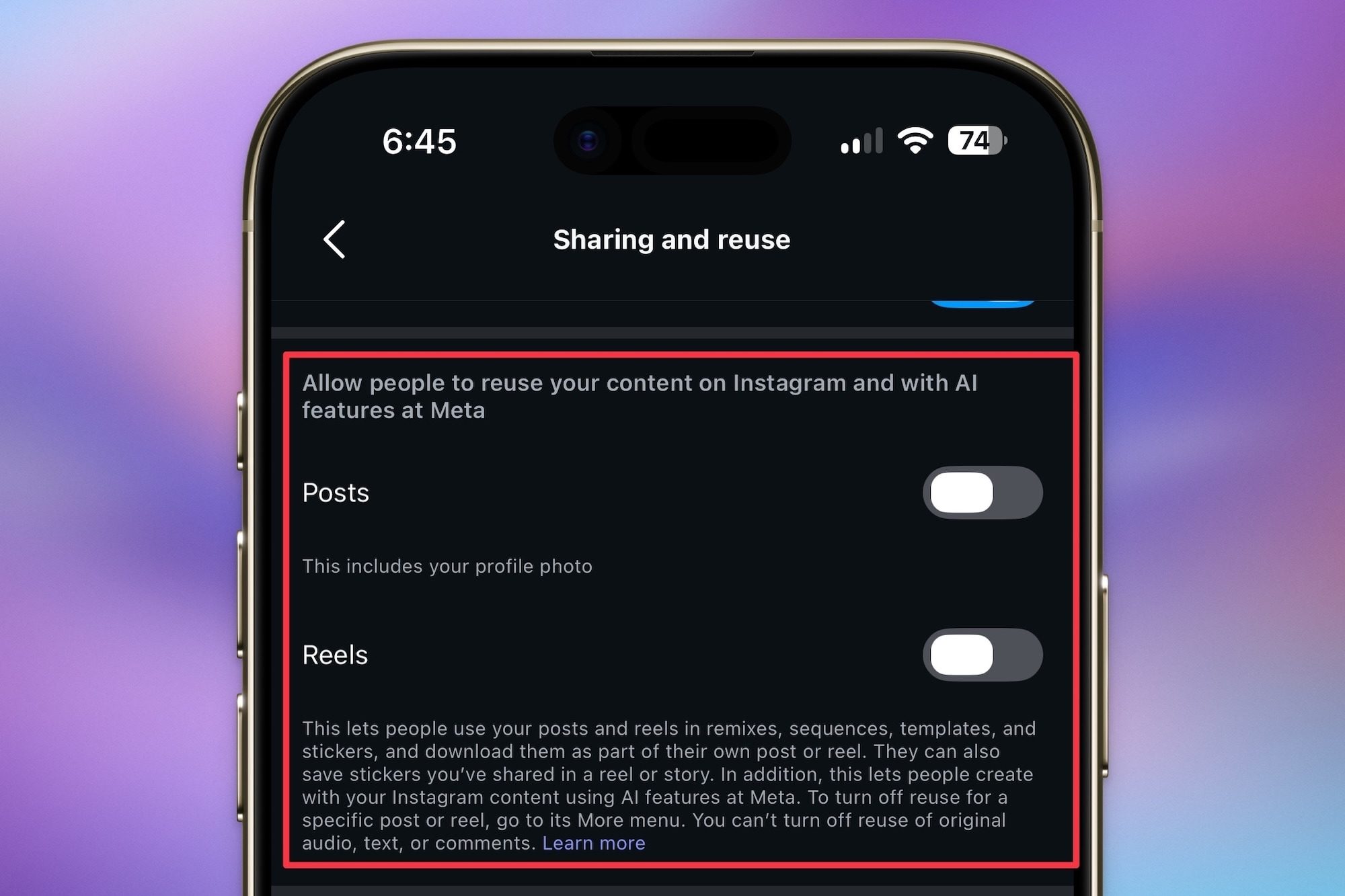
- Under Allow people to reuse your content, turn off the Posts and Reels toggle.
Why Muse AI is a privacy problem waiting to happen
If you have a public profile, then anyone can use Muse AI to generate images and videos using your photos as a reference. All they need to do is use @ to tag your profile in the prompt, and the AI will use your content for generating the image.
While this is not bad in itself and can result in some cool collaborations. A platform with over 3 billion monthly active users will have thousands of bad actors who could use it to create misleading or harmful images of others.
X was recently in hot water as it was flooded with nonconsensual adult content created using Grok. People were using it to create sexualized images of girls and even minors and flooding the feeds.
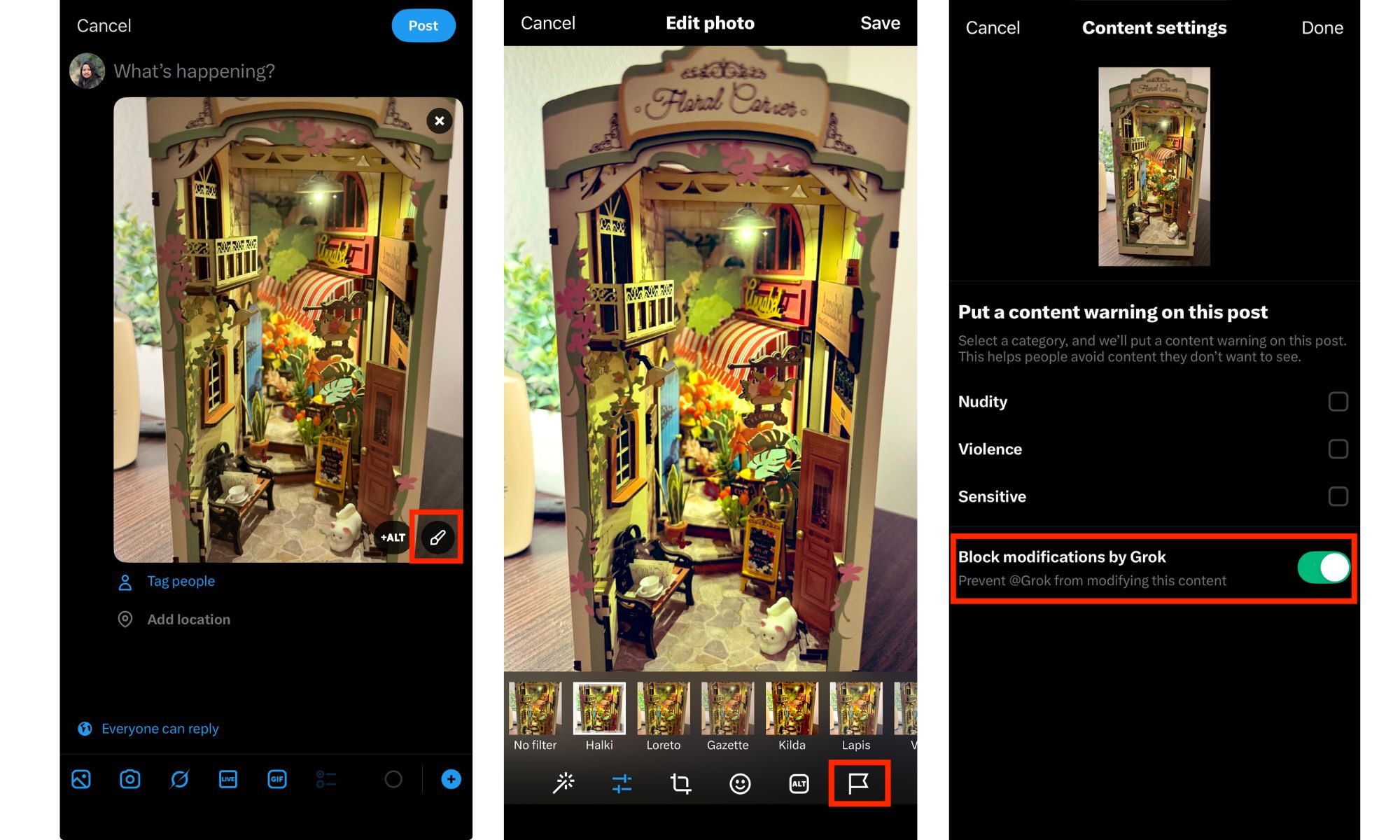
It became so problematic that X had to put Grok’s image generation behind a paywall and add restrictions to prevent users from modifying your photos. Now, Instagram has enabled its 3 billion users to do the same without any restrictions or paywall. I cannot see it going well.
How can you protect yourself?
Big companies will do what big companies do without any concern for their user base, so it’s up to us to protect ourselves. As I said, by default, if you have a public profile, anyone can use your photos and videos to morph and create AI-generated images of you. But there’s a setting you can disable to stop it.
Step 1: Launch the Instagram app on your iPhone, open your profile page, and then tap the hamburger menu in the top-right corner to open settings.
Step 2: Scroll down to the “How others can interact with you” section and tap to open the “Sharing and reuse” setting.
Step 3: Scroll down to find the “Allow people to reuse your content on Instagram and with AI features at Meta” and disable the toggle for both Posts and Reels.
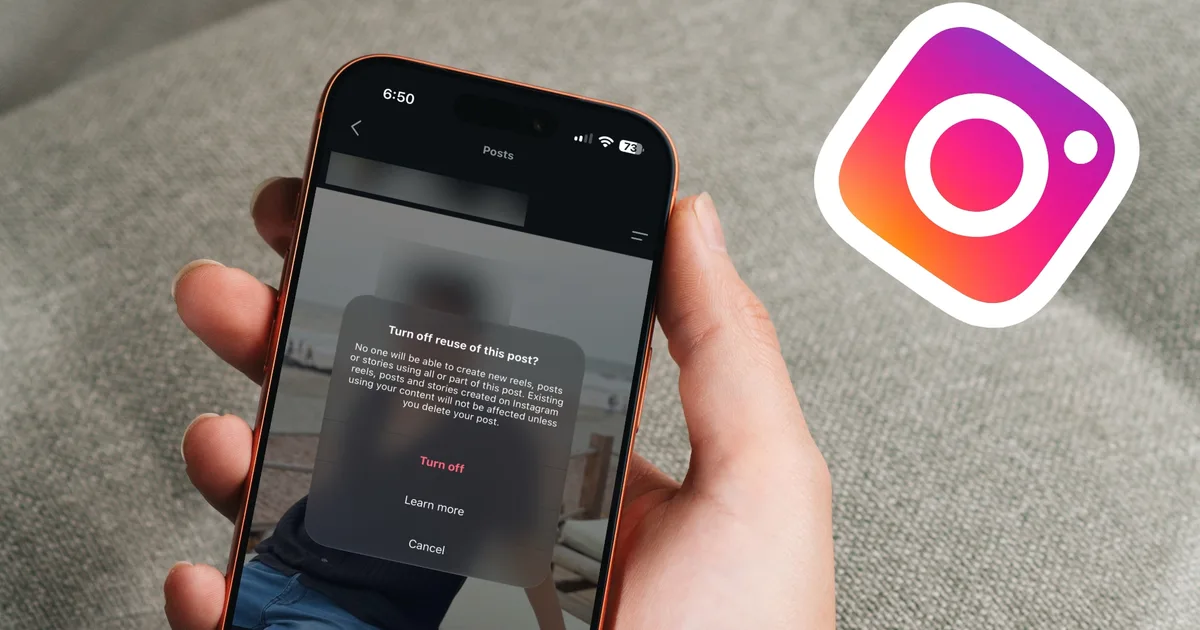
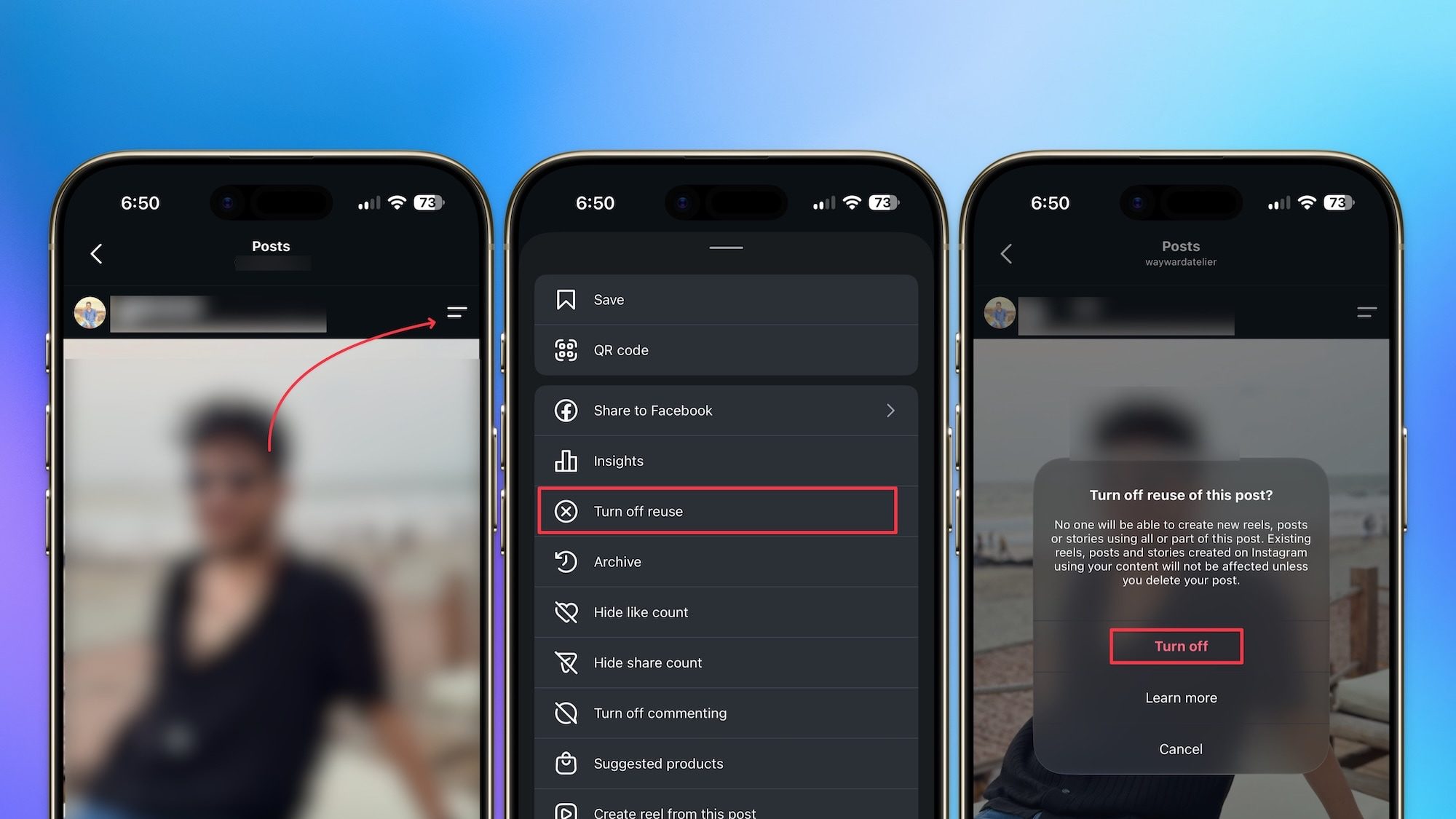
Step 4: If for some reason you only want to disable it for individual posts, open the post menu, tap on “Turn off reuse,” and confirm.
And that is how you can not only protect your content’s IP but also prevent people from creating non-consensual images of you. Thanks to generative AI, posting your photos and videos online has become an even bigger risk than ever before, and you should do everything in your power to protect yourself. It takes less than a minute to change this setting, so there’s really no excuse to leave it on and hope for the best.